How $150 Filters Sneak Up on Cheap Air Purifier Deals
You’ll learn how to size a purifier by square footage and calculate true lifetime costs. Most guides hide filter fees and overstate “budget” models, leaving you paying more than you bargained for.
Where to buy this product
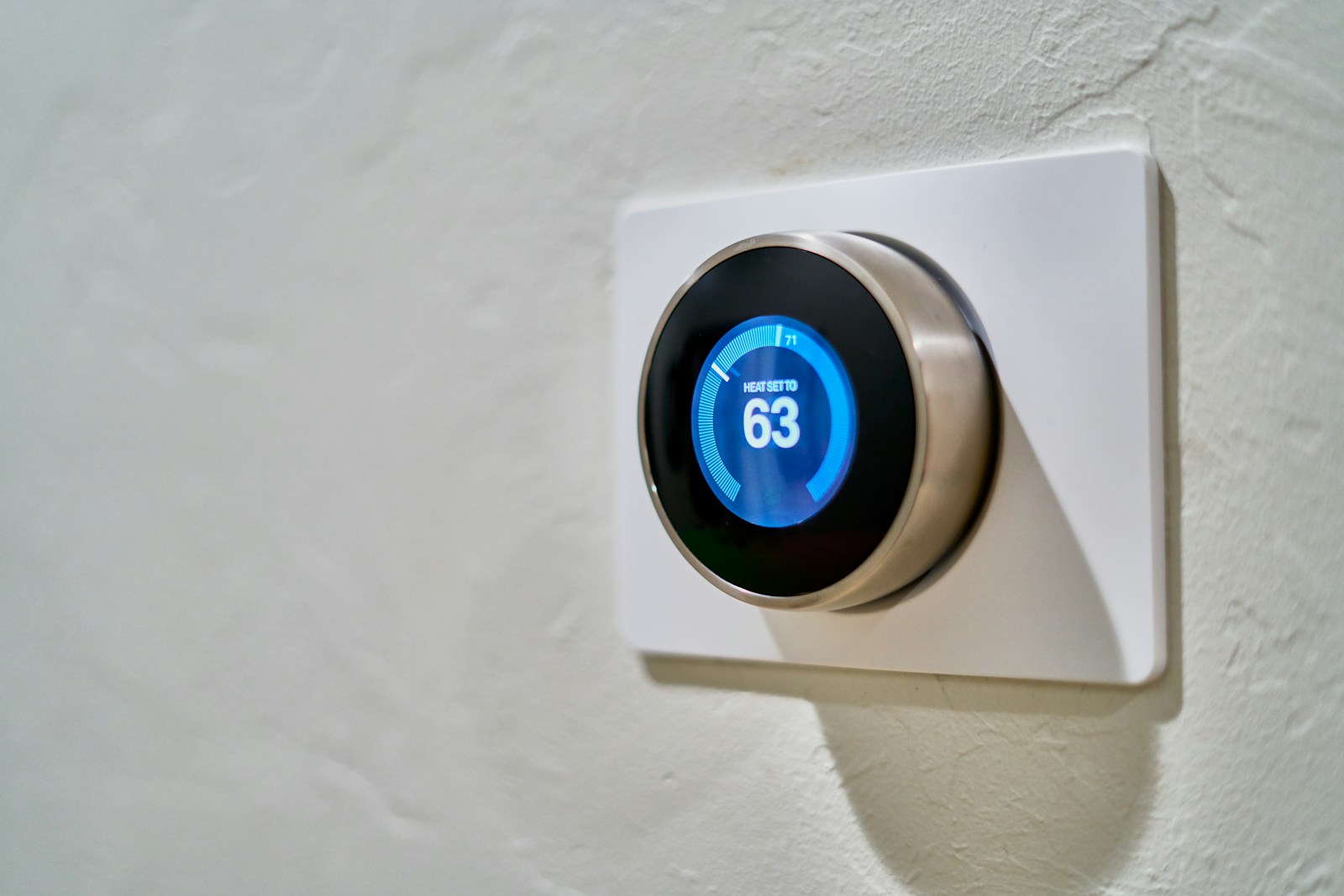
A $50 box that promises “clean air for a studio” looks like a steal until the first filter arrives with a $120 price tag. The real math—room volume, CADR, and replacement cycles—turns that bargain into a hidden subscription you never signed up for.
Can a $50 purifier actually clean a 300‑sq‑ft room?
Most entry‑level units list a coverage range that stops at 150 sq ft, yet the spec sheet often omits ceiling height. A room with 9‑ft ceilings holds roughly 2,700 cubic feet, so a purifier rated for 150 sq ft (assuming 8‑ft ceilings) will be under‑powered by about a third. The CADR (Clean Air Delivery Rate) must exceed the room’s air turnover requirement, typically 5 ACH (air changes per hour) for allergy sufferers. If the device’s CADR is 150 cfm, it only achieves 3.3 ACH in that space, leaving pollutants to linger.
A quick way to sanity‑check any claim is to multiply the room’s cubic footage by the desired ACH, then divide by 60. For a 2,700‑cubic‑foot bedroom, 5 ACH translates to 225 cfm. Anything below that figure is a mismatch, regardless of the sticker price. The marketplace is full of “studio‑only” models that masquerade as larger‑room solutions, and the first filter change usually reveals the truth.
How much does a replacement filter really cost over five years?
Manufacturers love to quote a “$30 filter” and gloss over the fact that most units require a new filter every 3–6 months. If you replace a filter twice a year at $30, the annual expense is $60; over five years that’s $300—already six times the original device cost. Some brands push “high‑efficiency” variants at $70 each, pushing the five‑year total past $700.
A less obvious factor is the “pre‑filter” that needs cleaning or swapping every month. While technically reusable, many users discard it out of convenience, adding another $10‑$15 per year in waste. The cumulative effect shows that a $50 purifier can cost as much as $800 in consumables if you don’t track filter lifespans carefully.
Do “HEPA‑rated” claims hide hidden expenses?
The term “HEPA” is regulated in the U.S., but the certification only guarantees a 99.97 % capture rate for 0.3‑micron particles at a specific airflow. Some low‑cost models cheat by using a “pseudo‑HEPA” mat that lets air bypass the filter at higher speeds, effectively reducing filter life. When airflow throttles, the filter clogs faster, prompting premature replacements.
A side‑by‑side comparison of a true HEPA unit and a pseudo‑HEPA competitor shows the latter’s filter wearing out in 2–3 months versus the former’s 5–6 months. The price gap between the two filters can be negligible, but the faster turnover inflates the total cost dramatically. Look for labs that publish independent efficiency curves instead of relying solely on marketing blurbs.
Which brands keep filter prices honest?
A handful of manufacturers sell filters at MSRP that rarely exceeds $35 for a standard 6‑month part. They also publish transparent lifespan tables, allowing you to plan a budget with confidence. Conversely, some big‑box names bundle “premium” filters that cost upwards of $80, promising marginal gains that are hard to verify in real‑world use.
One niche brand offers a reusable electrostatic filter that can be washed up to 30 times, slashing the recurring cost to under $5 per year. The upfront device is pricier—around $180—but the break‑even point arrives after roughly two years of normal operation. For renters who move often, the lower upfront with disposable filters might still make sense, but only if you factor in the recurring spend from day one.
Action plan: sizing, buying, and budgeting the whole cycle
- Measure square footage – multiply length by width, then add 10 % if the room has an open‑plan extension.
- Calculate required CADR – use the formula (room cubic feet × desired ACH) ÷ 60; aim for a device that exceeds that number by 20 % to account for furniture blockage.
- Check filter lifespan – locate the manufacturer’s stated interval; if it’s under 4 months, assume you’ll need at least six replacements per year.
- Set a five‑year filter budget – multiply the per‑filter cost by the expected number of changes; add a 15 % buffer for premium or emergency replacements.
- Compare total cost of ownership – add the device price, five‑year filter budget, and an estimated $20 for occasional pre‑filter waste. The sum will reveal whether a “budget” model truly saves you money.
For a typical 250‑sq ft bedroom, a reliable unit with a 200 cfm CADR costs $120–$150. Assuming a $30 filter every six months, the five‑year filter spend lands between $300 and $350. Adding the device price gives a total of $420–$500, which is still less than a high‑end $300 model that uses $70 filters but may require fewer changes. The key is to let the numbers speak, not the glossy packaging.
What to double‑check before you pay anything
- Verify the exact CADR rating on the spec sheet, not just the “room size” claim.
- Confirm the filter part number matches the one listed on the official replacement page; third‑party sellers sometimes list cheaper, incompatible versions.
- Look for a downloadable PDF that outlines filter lifespan under typical usage; if the manufacturer only provides a vague “up to 6 months” statement, treat it as a red flag.
- Ensure the warranty covers the motor but not the filter; a short motor warranty can nullify any savings from a cheap initial price.
- Scan user forums for reports of premature filter clogging; anecdotal evidence often surfaces before the brand updates its literature.
By grinding the hype through these checks, you’ll avoid the trap where a $50 sticker turns into a $500 long‑term commitment. The math is unforgiving, but the payoff—clean air without a surprise subscription—is worth the extra diligence.
Where to buy this product
Keep reading
Robot Vacuums Sale: $200‑$400 for Real Power, Skip $800 Gimmicks
You’ll learn which robot vacuum specs actually matter when a sale tempts you with cheap hype, and how to avoid paying for flashy but useless add‑ons. Most guides list every feature like it’s a must‑have, ignoring real‑world performance and hidden costs.
Roomba j7+ Is on Fire Sale — $299 Down from $799
iRobot's flagship robot vacuum with self-emptying base is $500 off. This seems like a clearance price before the new models drop.
LG C4 OLED 55" Hits $896 — Time to Upgrade Your TV
The LG C4 OLED is at its lowest price ever. $896 for a 55" OLED with 120Hz, Dolby Vision, and perfect blacks.