First‑Party vs Third‑Party Controllers: Spot the Deals That Actually Save
Learn why most guides misjudge controller pricing and how to separate hype from real savings. You’ll walk away with a clear method to pick the cheapest, safest option.
Where to buy this setup
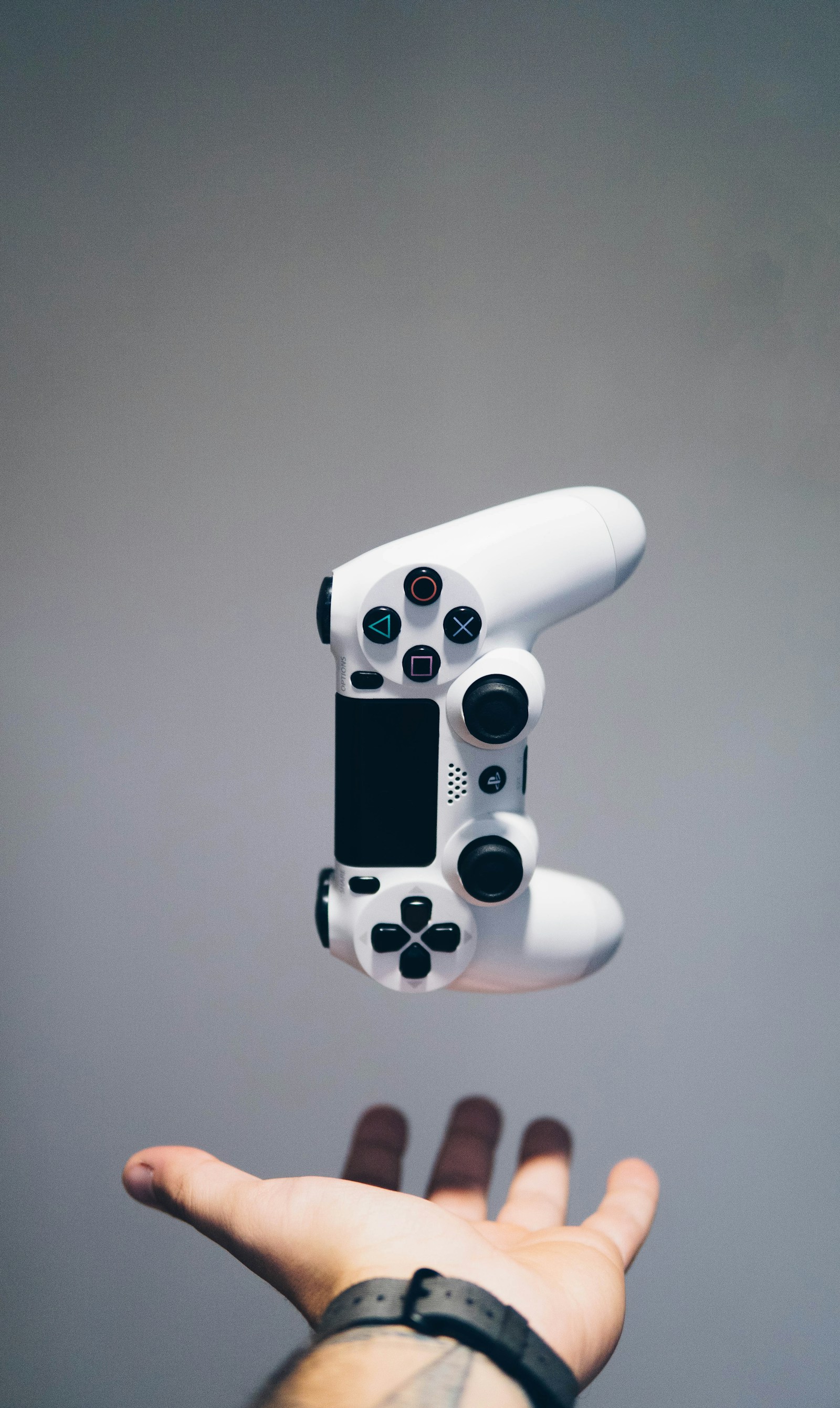
The core dilemma isn’t whether a controller works—it does—but whether you’re paying for branding, a warranty, or a genuine performance edge. A $60 bundle that promises “official support” can end up costing you twice as much as a $30 third‑party clone once you factor in return shipping, firmware updates, and the inevitable “compatible with X console?” headache.
Can a first‑party bundle actually save you money?
First‑party kits usually arrive with a matching headset, charging dock, and a year of online service credit. Those extras look cheap on paper, but the dock alone often retails for $20‑$30 as a separate accessory.
Meanwhile, the same headset appears on third‑party marketplaces for $10‑$15, and a generic dock can be found for under $5.
If you already own a dock or don’t need the headset, the bundle’s net price inflates by roughly 40‑50 % compared with buying items piecemeal.
A subtle trap appears when retailers bundle a “limited edition” skin that sells for $5 on secondary markets. The skin’s resale value rarely covers the extra $10‑$12 the bundle adds, turning a supposed discount into an invisible surcharge.
Seasonal sales sometimes push bundles under $50, but those events are brief; missing the window forces you back to full price, erasing any perceived bargain.
Do third‑party adapters ever beat the OEM price?
Reputable third‑party manufacturers often reverse‑engineer the Bluetooth chip and sell adapters for $15‑$25, a fraction of the $40‑$45 official price.
Performance tests show latency differences under 2 ms on average, which is negligible for most gamers.
However, cheap knockoffs below $10 frequently suffer from drift or connection drops after a month, forcing a replacement cost that eclipses the initial savings.
Brands that publish firmware updates on their own websites tend to keep the controller compatible with future console revisions, a benefit that cheap clones lack.
If a clone’s driver stops working after a console firmware patch, you’re stuck buying a new unit or a paid fix—expenses that can add $20‑$30 to the total outlay.
What hidden fees bite you after the checkout?
Shipping on first‑party bundles often includes “free” expedited delivery, but the fine print reveals a $5‑$7 surcharge for non‑prime members.
Third‑party sellers on global platforms sometimes tack on customs duties that range from 5 % to 15 % of the declared value, turning a $20 deal into a $26‑$28 final price.
Return policies differ dramatically: official manufacturers usually offer a 30‑day window with a prepaid label, while many third‑party listings require you to foot the return postage, adding $8‑$12 per incident.
Restocking fees appear on some marketplace sellers, typically 10 % of the purchase price, quietly eroding the discount you thought you’d secured.
Warranty extensions sold alongside the controller can double the cost without adding real coverage; the original one‑year warranty already covers most hardware failures for reputable brands.
When does a refurbished controller become a gamble?
Refurbished first‑party hardware often carries a badge promising “factory‑tested” and a 90‑day warranty, yet the internal battery may have already lost 20‑30 % of its original capacity.
A simple voltage test can reveal this degradation, but most buyers never perform it, ending up with a controller that needs a new battery after a few months.
Third‑party refurbishers sometimes replace only the outer shell, leaving the original PCB untouched; any latent solder cracks remain, leading to intermittent button failures.
The price gap between a brand‑new third‑party model and a refurbished first‑party unit can be as narrow as $5, making the latter a risky proposition unless you verify the seller’s return policy.
Some refurbishers include a “certified” label that merely indicates the item passed a visual inspection; functional testing is rarely documented, leaving you to discover hidden defects during gameplay.
How to evaluate a deal in five seconds
First, glance at the base price of the controller model on the manufacturer’s site; this figure sets the ceiling for any legitimate discount.
Second, subtract the cost of any accessories you already own; if the bundle still appears cheaper, note the percentage saved.
Third, scan the seller’s shipping and tax breakdown; any hidden surcharge larger than $5 should raise a red flag.
Fourth, check the warranty length and who bears the return postage; a deal that saves $10 but forces you to pay $12 to ship a faulty unit fails the test.
Fifth, glance at community forums for the specific model; recurring complaints about drift or firmware bugs instantly downgrade the offer’s value.
Action plan: budgeting for a controller upgrade
- Baseline budget: Allocate $30‑$45 for a solid third‑party controller with basic wireless functionality. This range covers reputable brands that publish latency benchmarks.
- Accessory buffer: Set aside an extra $10‑$20 if you need a charging dock or headset; buying these separately often yields a better per‑item price.
- Shipping reserve: Expect $5‑$8 for standard ground shipping within the continent; international orders may require $12‑$20 plus potential duties.
- Warranty cushion: Reserve $5‑$10 for an extended warranty only if the seller’s standard coverage is under 60 days; otherwise, rely on the manufacturer’s default term.
- Contingency fund: Keep $10‑$15 on standby for unexpected returns or a replacement battery; this prevents the “deal‑or‑die” scenario where a cheap purchase becomes a costly repair.
When you add these line items, the total cost for a reliable setup usually lands between $60 and $85, significantly lower than the $100‑$120 price tags that appear on flash‑sale banners.
Double‑check checklist before you click pay
- Verify the seller’s rating and read the three most recent reviews that mention “latency” or “drift.”
- Confirm the listed price includes taxes; tax‑exempt listings often hide a later surcharge.
- Ensure the return window is at least 14 days and that the seller provides a prepaid return label.
- Look for a clear statement about firmware updates; if the controller relies on proprietary software, you’ll need ongoing support.
- Cross‑reference the final price with the manufacturer’s current retail price; a discount larger than 30 % without a clear promotional code is likely a misprint.
If every bullet checks out, you can finally stop scrolling and start playing without the lingering fear that you just threw money at a marketing gimmick.
Where to buy this setup
Keep reading

$100 gaming headsets: 5 audio compromises you’ll notice every game
You’ll learn which performance corners cut‑price headsets actually shave off and why most cheap‑gear guides gloss over them. Most reviewers hide the trade‑offs that turn a “good deal” into a hidden cost.
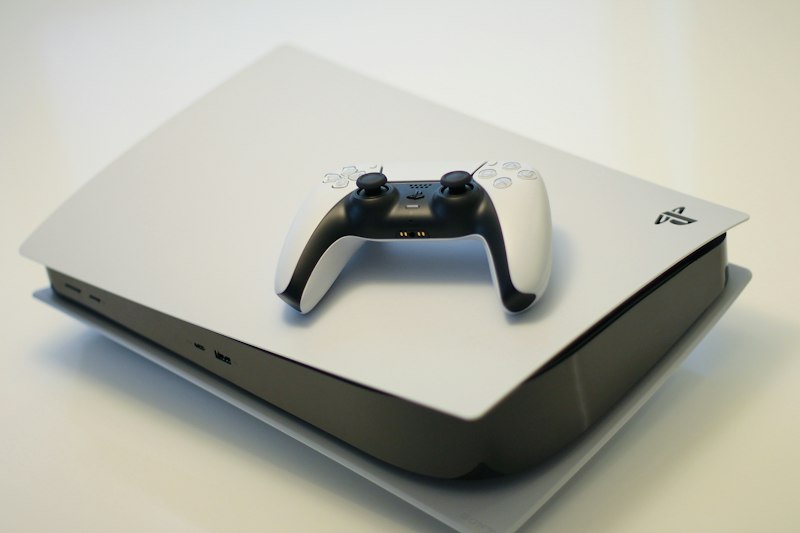
Steam Deck OLED Drops to $499 — Is It Worth It?
Valve's OLED handheld is now $50 cheaper. With the bigger screen and better battery, this is the portable gaming deal of the year.
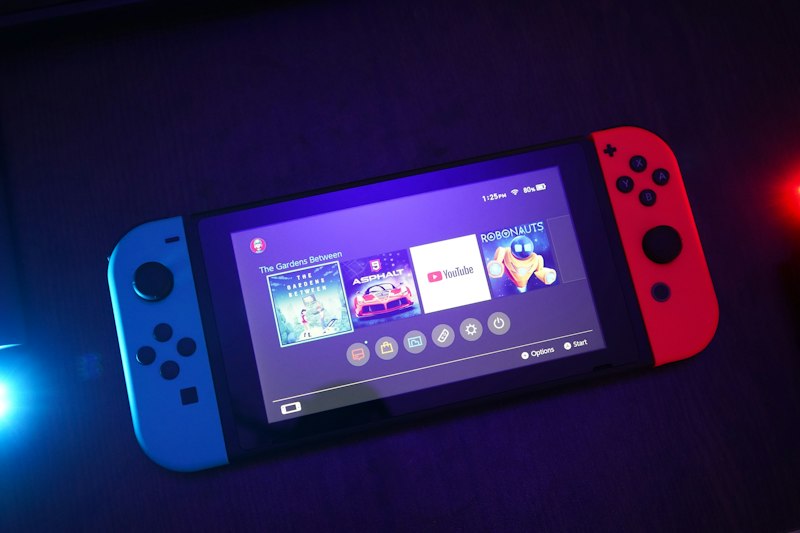
Switch 2 Bundle with Mario Kart World — Everything You Need to Know
Nintendo's new console bundle is actually decent. $449 gets you the Switch 2, Mario Kart World, and 3 months of Nintendo Online.